What is AI disclosure?
The AI Act separates two levels. Providers of AI systems must mark their outputs in a machine-readable way, which happens invisibly in the background. Anyone deploying such content carries an obligation of their own: under Article 50(4), image, audio or video material must be disclosed as artificially generated or manipulated where it constitutes a deep fake. These transparency obligations have applied since 2 August 2026.
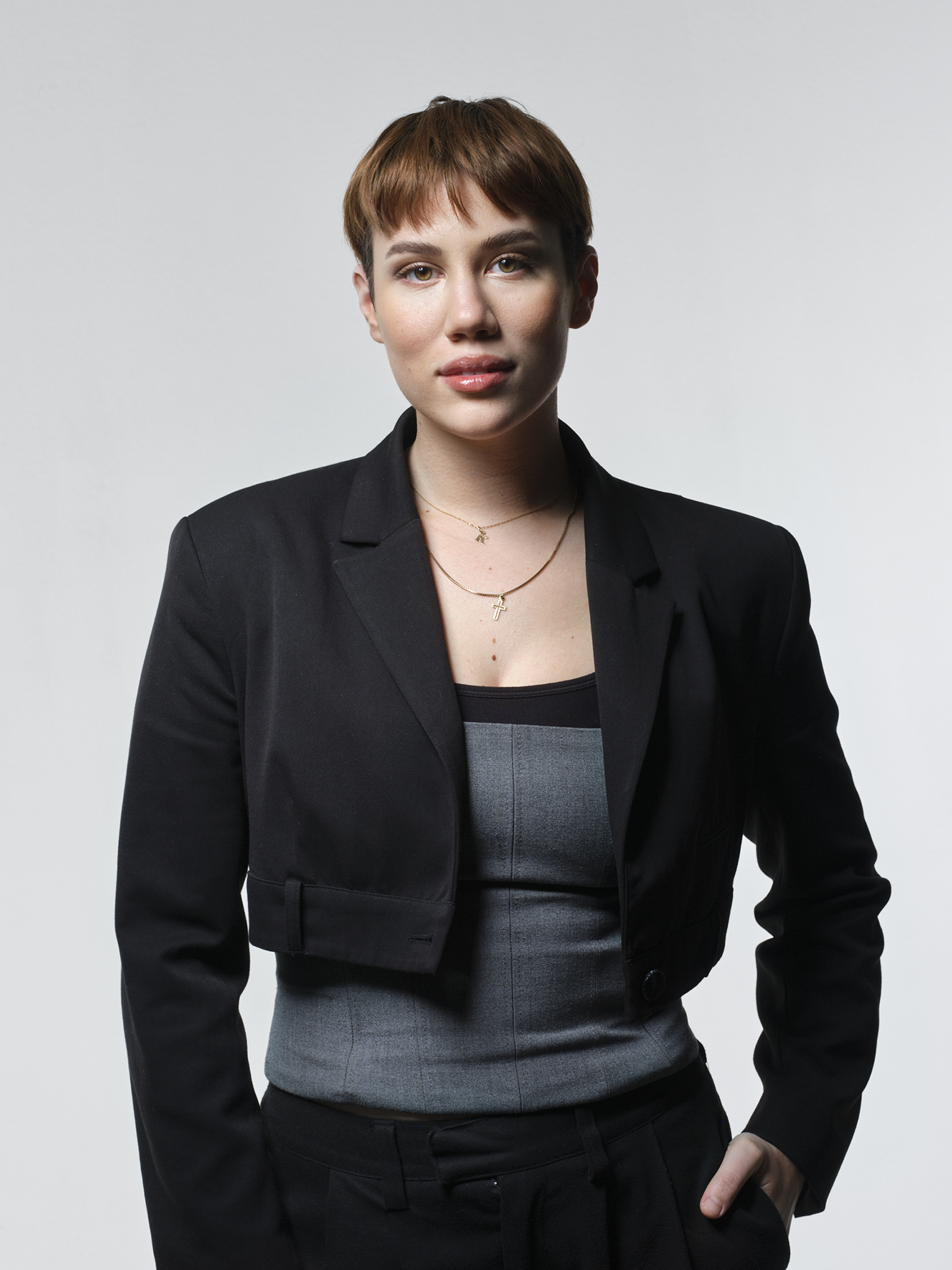
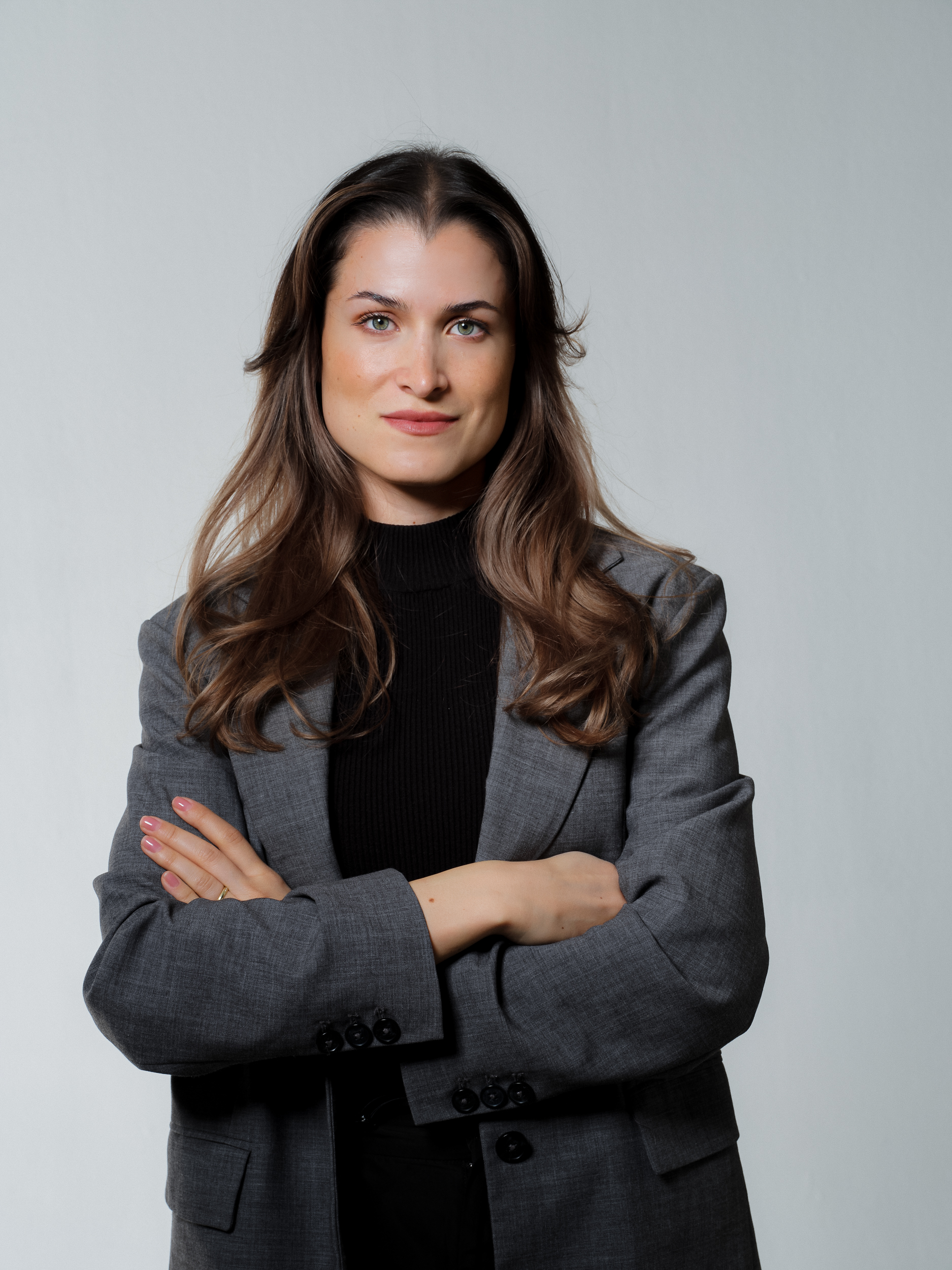
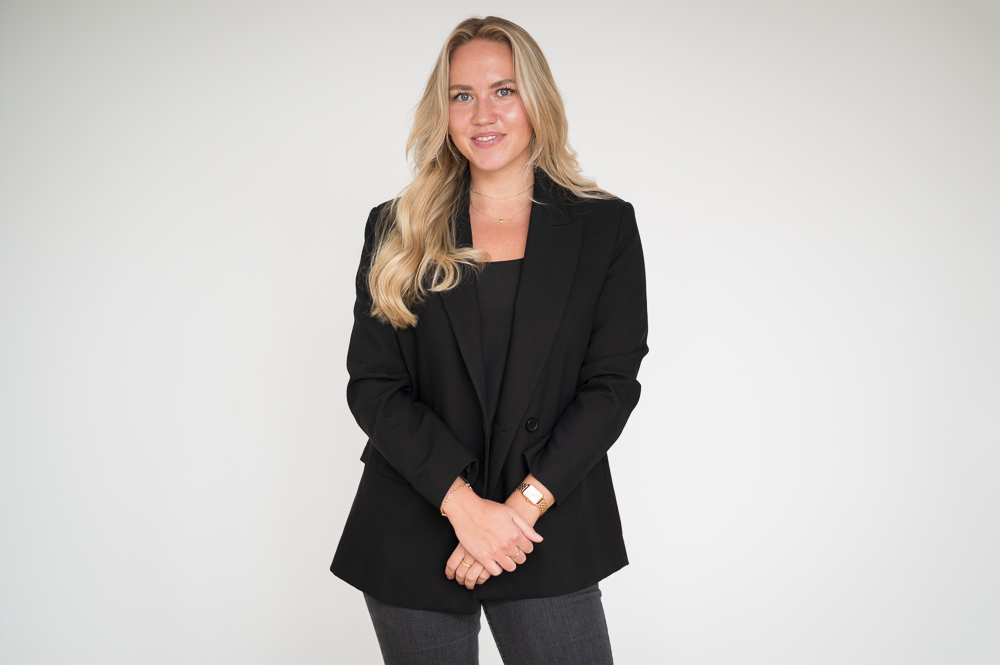
Article 3(60) defines a deep fake as material resembling existing persons, objects, places or events that would falsely appear authentic. A wholly invented portrait is therefore a borderline case; a real colleague placed into a scene that never happened is not. Text has its own rule with an exception: where content is reviewed editorially and a named person carries responsibility, no disclosure is required.
In practice, disclosure means: at the place where the material sits, in the caption or the alternative text, in plain language. A blanket note in the imprint does not serve the purpose, and neither does a watermark across the image. Disclosure also replaces no editorial check: a labelled false image is still a false image.
Why does AI disclosure matter?
Relying on people spotting it is not a strategy. A study in Psychological Science dated 13 November 2023 showed people real and AI-generated faces: the AI faces were judged human in 65.9 per cent of cases, the real ones in only 51.1 per cent. Those who made the most mistakes were the most confident. The effect appeared for White faces only, because the models are trained predominantly on them. For a brand the conclusion is: it does not come out until it does, and then it comes out at the most expensive point.
AI disclosure in practice
- 01An illustration in a blog post is disclosed as AI-generated in the caption, while the portrait of the managing director deliberately stays a photograph.
- 02A company places a real employee into a trade fair scene that never took place - the clear case of a disclosure obligation.
- 03A piece is drafted with AI support, reviewed editorially and signed off by a named person: the text exception applies, and the graphics inside it are still disclosed.